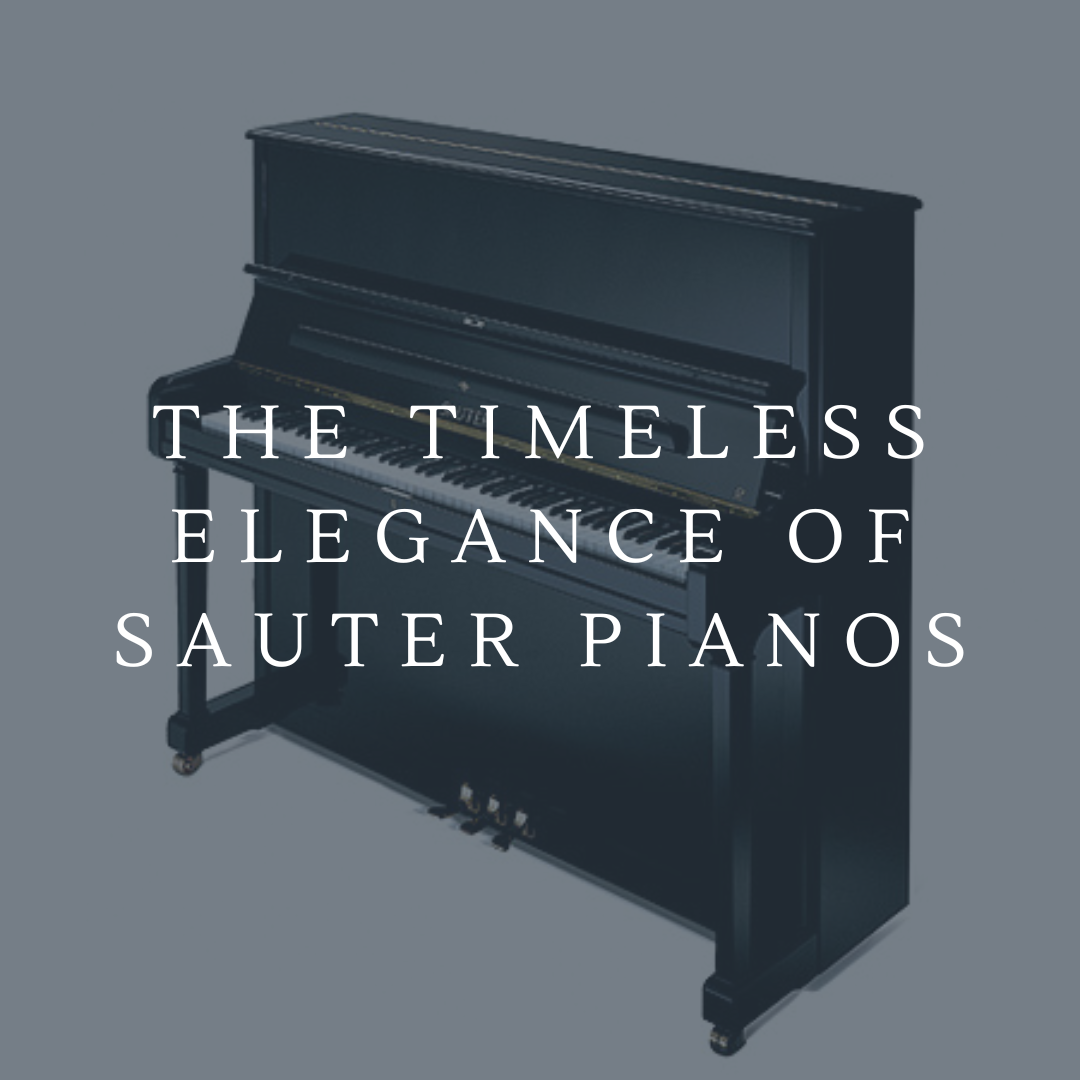
In the realm of musical craftsmanship, few names resonate with as much prestige and sophistication as Sauter Pianos. Established in 1819 in the small town of Spaichingen, Germany, Sauter has carved a legacy of excellence, seamlessly blending tradition with innovation to create instruments of unparalleled beauty and sound.
Founded by Johann Grimm, Sauter Pianos began as a modest workshop, driven by a passion for creating instruments that elevate musical expression. Over two centuries later, that same passion continues to fuel the company's commitment to quality. Each Sauter piano is a testament to meticulous German craftsmanship, with artisans dedicating countless hours to perfecting every detail. From the selection of premium woods to the hand-voicing of each string, no element is overlooked.
What sets Sauter apart is its harmonious balance between tradition and innovation. While honoring time-honored techniques, Sauter has never shied away from embracing modern advancements. The company's incorporation of state-of-the-art materials and cutting-edge technology ensures that each piano delivers not only timeless elegance but also superior performance. This forward-thinking approach has led to the creation of unique features, such as the Sauter "R2" double repetition action, enhancing responsiveness and control.
The true essence of a Sauter piano lies in its sound. Renowned for their rich, warm tones and exceptional clarity, Sauter pianos provide a dynamic range that captivates both players and listeners alike. The meticulous attention to detail in the design and construction process allows for an unparalleled depth of expression, making each performance a truly immersive experience.
Sauter understands that a piano is more than just an instrument; it is an extension of the artist. This philosophy is reflected in their custom-tailoring service, allowing musicians to create a piano that suits their individual preferences and style. From personalized finishes to bespoke tonal adjustments, Sauter ensures that each piano is as unique as the artist who plays it.
Whether gracing the stage of a grand concert hall or the intimate setting of a home, Sauter pianos command attention and admiration. Their timeless design and superior craftsmanship have made them a favorite among professional musicians, educators, and enthusiasts worldwide. The enduring appeal of Sauter pianos is a testament to the company’s unwavering commitment to excellence and its ability to adapt to the evolving needs of musicians.
In conclusion, Sauter Pianos exemplify the perfect marriage of tradition and innovation, offering instruments that not only stand the test of time but also inspire the next generation of musicians. For those seeking an instrument that embodies elegance, craftsmanship, and exceptional sound, a Sauter piano is an investment in a legacy of musical excellence.

The world of piano music is having a remarkable moment. From concert halls to streaming playlists to social media feeds, the piano is more culturally visible than it has been in decades. Here's a look at the biggest trends shaping how we listen to, play, and think about piano music right now.

It's never been a better time to learn the piano. Whether you're a complete beginner, a parent considering lessons for your child, or an adult who always meant to pick it up, here are ten compelling reasons why learning piano is one of the best decisions you can make — backed by research and decades of music education evidence.

Shopping for a digital piano in 2026 can feel overwhelming. The market is flooded with options across every price point, and the technical specifications — weighted keys, polyphony, touch sensitivity, sound engines — can make it hard to know where to start. This guide cuts through the noise and gives you the key things to look for when choosing a digital piano, whether you're buying for yourself or for a child just starting out.