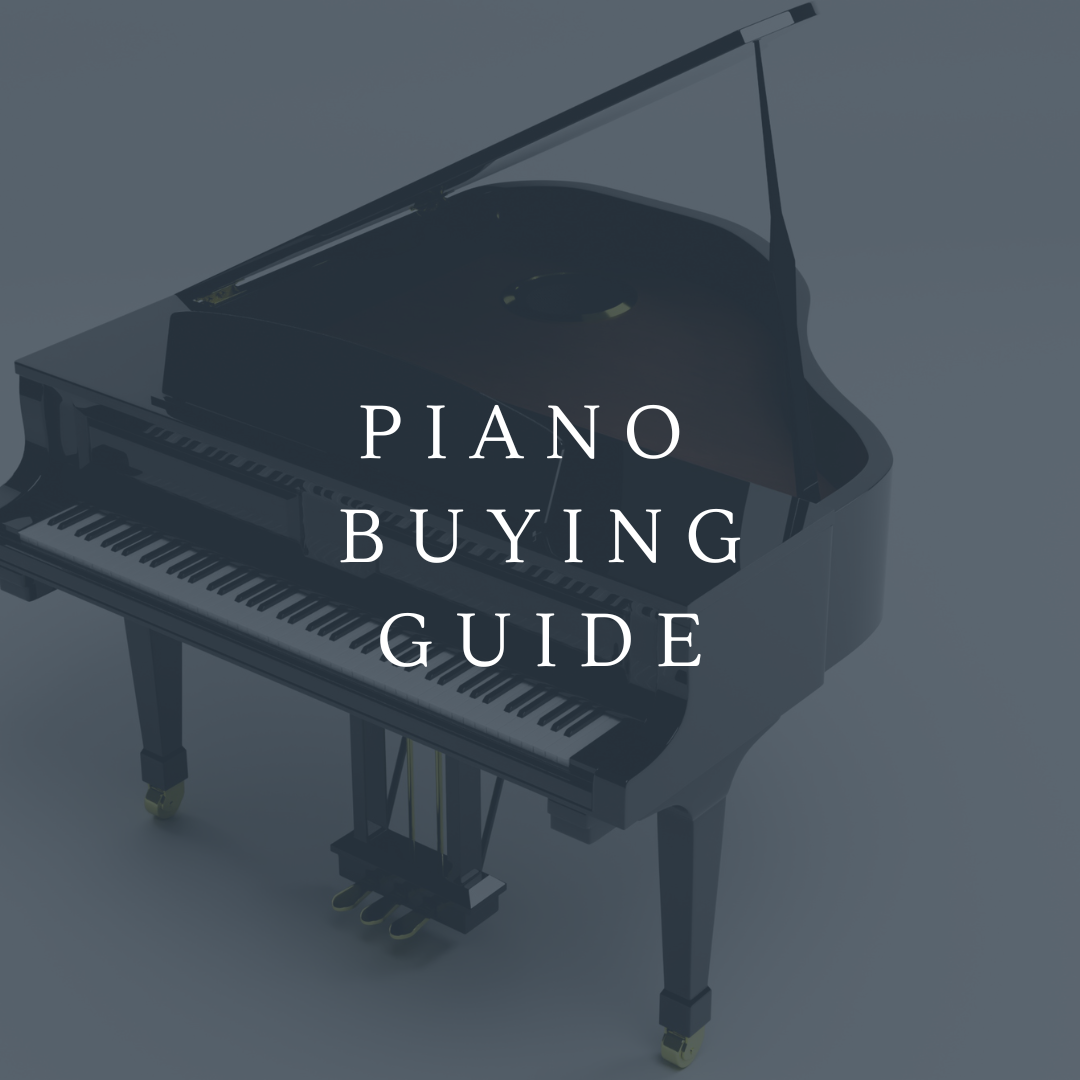
Purchasing a piano can be a daunting task, but with the right information, you can make an informed decision. Here are some factors to consider when buying a piano:
If you are looking for more detailed information, check out Piano Buyer, an online publication devoted to the purchase of new, used, and restored acoustic pianos and digital pianos. They offer a comprehensive guide to buying a piano, including reviews of different brands and models, pricing information, and tips for maintaining your piano.

The world of piano music is having a remarkable moment. From concert halls to streaming playlists to social media feeds, the piano is more culturally visible than it has been in decades. Here's a look at the biggest trends shaping how we listen to, play, and think about piano music right now.

It's never been a better time to learn the piano. Whether you're a complete beginner, a parent considering lessons for your child, or an adult who always meant to pick it up, here are ten compelling reasons why learning piano is one of the best decisions you can make — backed by research and decades of music education evidence.

Shopping for a digital piano in 2026 can feel overwhelming. The market is flooded with options across every price point, and the technical specifications — weighted keys, polyphony, touch sensitivity, sound engines — can make it hard to know where to start. This guide cuts through the noise and gives you the key things to look for when choosing a digital piano, whether you're buying for yourself or for a child just starting out.