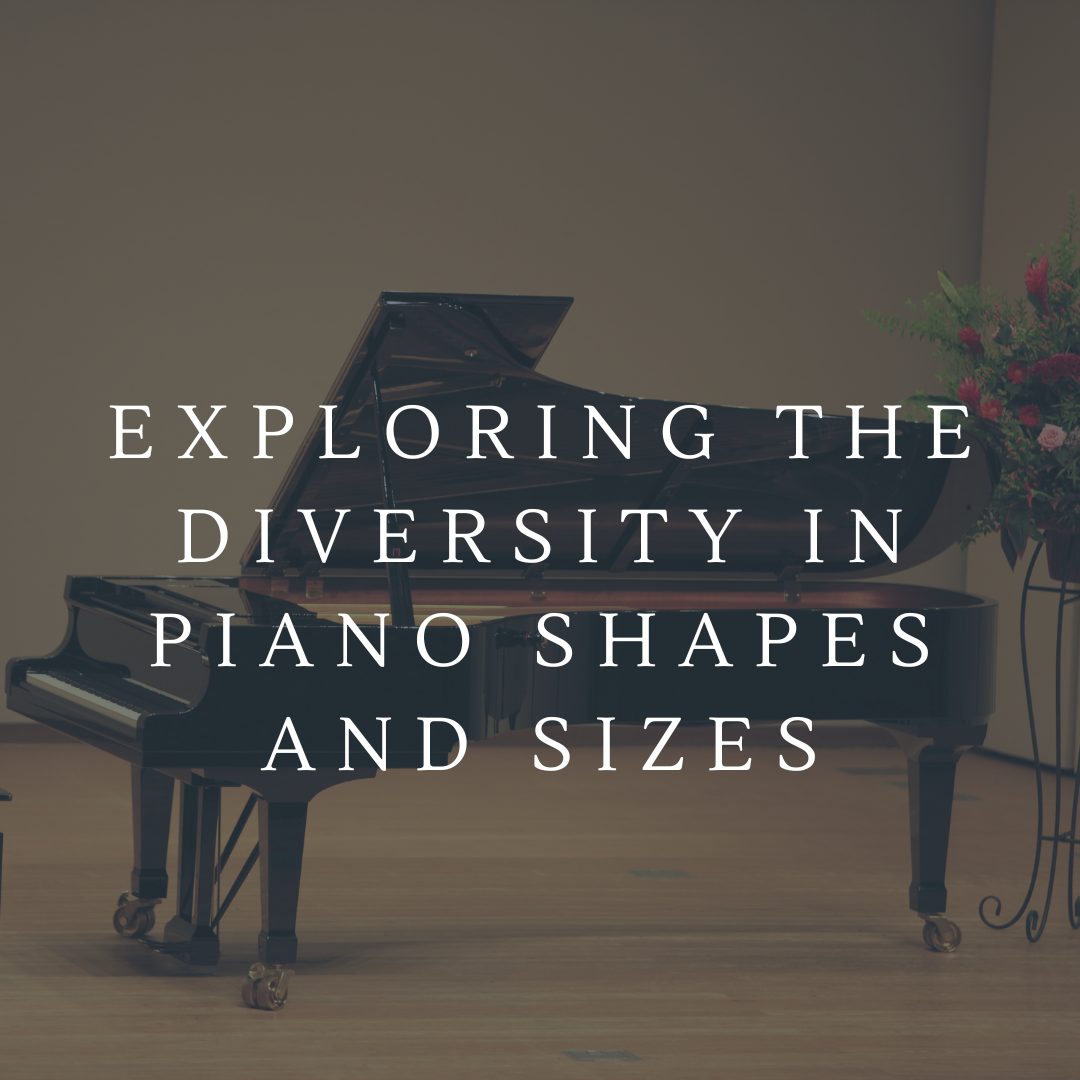
The piano, a majestic instrument with over 200 years of history, comes in various shapes and sizes to fit the needs of different musicians and spaces. From the grand stage to the cozy living room, there’s a piano for every setting.
Let’s explore the primary categories:
Known for their rich sound and visual splendor, grand pianos come in several sizes:
Concert Grand: Typically around 9 feet (2.7 meters), this is the choice for concert halls and professional pianists. Its extensive string length provides a powerful, resonant tone.
Semi-Concert Grand: Slightly smaller at 7-8 feet (2.1-2.4 meters), these are often found in smaller performance spaces.
Parlor Grand/Boudoir Grand: Ranging from 6-7 feet (1.8-2.1 meters), they’re perfect for intimate performances or larger home settings.
Baby Grand: Compact and elegant, these pianos measure 5-6 feet (1.5-1.8 meters) and are popular in homes due to their beautiful sound and stylish appearance.
Ideal for homes, schools, and smaller spaces, upright pianos are vertical and vary in height:
Professional Upright: Standing around 48-52 inches (1.2-1.3 meters), it provides a sound quality close to that of a grand piano.
Console Piano: At 40-44 inches (1.0-1.1 meters), it’s a common choice for home use, blending quality and space efficiency.
Studio Piano: Measuring 44-48 inches (1.1-1.2 meters), it’s often used in music studios and educational settings.
Spinet Piano: The shortest at 36-40 inches (0.9-1.0 meters), it’s ideal for tight spaces but has a less robust sound due to its size.
Beyond the standard models, specialty pianos offer unique designs and purposes:
Digital Pianos: These come in various sizes and shapes, from console-style to portable, and offer modern features like different instrument sounds and recording capabilities.
Hybrid Pianos: Combining acoustic and digital elements, they provide the best of both worlds with traditional piano action and digital enhancements.
Player Pianos: Equipped with mechanisms to play music automatically, these pianos have evolved from paper rolls to digital systems, offering entertainment and nostalgic charm.
Whether you’re a professional pianist, a music student, or an enthusiast, there’s a piano that matches your needs and space. From the grandeur of concert grands to the practicality of digital pianos, each type brings its unique charm and capabilities to the musical world.

The world of piano music is having a remarkable moment. From concert halls to streaming playlists to social media feeds, the piano is more culturally visible than it has been in decades. Here's a look at the biggest trends shaping how we listen to, play, and think about piano music right now.

It's never been a better time to learn the piano. Whether you're a complete beginner, a parent considering lessons for your child, or an adult who always meant to pick it up, here are ten compelling reasons why learning piano is one of the best decisions you can make — backed by research and decades of music education evidence.

Shopping for a digital piano in 2026 can feel overwhelming. The market is flooded with options across every price point, and the technical specifications — weighted keys, polyphony, touch sensitivity, sound engines — can make it hard to know where to start. This guide cuts through the noise and gives you the key things to look for when choosing a digital piano, whether you're buying for yourself or for a child just starting out.