CHOOSING A PIANO FOR BEGINNERS
April 16, 2021
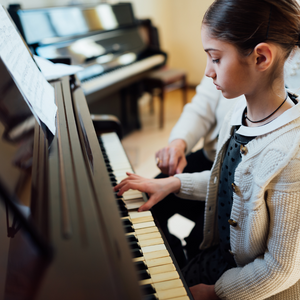
Searching for the most suitable, cost-effective piano for a beginner can be a painful process unless you know your way around pianos. At Northwest Pianos, we take pride in providing excellent, high-quality pianos of all types – digital, hybrid, upright, and grand, for all kinds of players, which is why it’s important for us to share accurate and insightful information that we know you can benefit from.
It‘s no doubt that every beginner needs a good instrument to kick off their learning experience. The quality of an instrument is able to contribute largely to how an individual finds the experience overall. You wouldn’t purchase hiking boots to play a tennis, would you? So it shouldn’t be any different when it comes to hunting for an affordable but quality instrumental piece that will serve you well for many years.
Now, the first step to choosing a piano for a beginner is to consider a few things beforehand.
Piano Buying Tips for Beginners
Look for Quality – The interior and exterior components of a piano play an important role in the performance. It also contributes to the sound and can impact the longevity of the instrument. The cheapest isn’t always the best decision long term!
Consider Size – This is an essential factor for most beginners who have just started their hunt for a piano. Although large pianos are beautifully crafted and aesthetically pleasing, there’s no need for a professional height piano (48" or taller) in your home when you’re not ready for one. The acoustics of a piano can be impacted by the size of the room, so it’s wise to assess your living situation and understand which piano type would be most beneficial.
Budget – Many pianos vary in price and it is determined by the quality, condition (in the case of pre-owned pianos and the size. Higher quality pianos will be more expensive, but less costly models are available for those with a lower budget. Remember, you don’t have to break the bank, there are plenty of affordable pianos available! Our
price promise and
5 year warranty will give you confidence and peace of mind in your puchase.
Purpose – The most important questions – Is piano a long-term commitment for you? Or is it just a casual hobby? This will weigh in heavily when it comes to choosing the right piano but it need not cause too much concern as our unique
100% Lifetime Trade-Up Policy means you can always upgrade your piano in the future without losing your initial investment.

What are the main piano types?
Electric pianos – Electric pianos are digital imitations of Acoustic pianos. However, they do not have real strings which are struck by a felt hammer and the resulting sound amplified by a wooden soundboard, in contrary, they have digital sensors which measures the velocity of the key and imitation hammer and output the high-resolution recording of real instruments through built-in amplifiers and speakers. Digital pianos are widely chosen because of the ability to play through headphones and also utilize other voices…read on about the new hybrid pianos!
Acoustic pianos – Acoustic pianos are also a popular and wiser choice for beginners. If you are looking for an investment that offers quality, efficiency, and well…the opportunity to produce awesome, rich sounding music, acoustic pianos are definitely the right choice as there is no better way to express yourself!
Hybrid pianos – The new era and possibly the future of pianos! A hybrid piano is an acoustic piano that also incorporates the key features of a digital piano i.e. play through headphones, record to USB, other voices etc but it means you can play it either a) as a normal acoustic piano or b) through headphones whilst still maintaining the more authentic touch of an acoustic instrument.
Our Recommendation for Beginners: Go Acoustic!
Acoustic pianos are often the best place to start when you’re beginning to learn. Most often, you’ll find that acoustic pianos are able to offer a level of responsiveness and dynamics that digital pianos are unable to match. They produce sound from real strings and real wood, which is why they’re the most traditional piano type.
The quality and feel of a piano can also drastically affect someone’s ability to perform and learn. There are many low-quality digital pianos that have a lightweight, plastic feel which doesn’t provide the most gracious sound – this makes it quite frustrating to work with. With a traditional acoustic piano, the slight action resistance and key touch gives genuine feedback that your brain adapts and takes control of quicker.
There are a few important factors you need to know when it comes to acoustic pianos:
Tuning – This is required 1-2 times a year (we offer the first tuning free of charge)
Care & Maintenance – You have to ensure it is placed in an environment of suitable temperature and humidity
Transportation – Acoustic pianos are heavier than digital pianos and require a professional piano mover. All our pianos include free local delivery.
Pianos are a worthwhile investment that can last for generations, and if you’re eager to learn piano and develop your musical abilities, don’t hesitate to view our full range of pianos or alternatively, you can get in touch with us if you require any assistance.